For more than three centuries, Freemasonry has attracted men from almost every walk of life. Kings and statesmen, soldiers and scientists, musicians and writers have all passed through the doors of Masonic lodges. Although their achievements belong very much to the wider world, their membership of the Craft provides a fascinating glimpse into the extraordinary range of people who have shared its principles of brotherhood, charity, integrity and self-improvement.
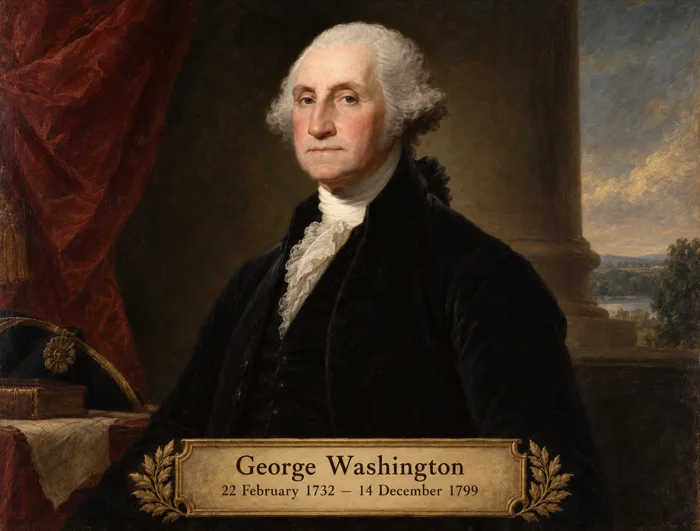
One of the most celebrated Freemasons in history was George Washington, commander of the Continental Army and the first President of the United States. Initiated into Fredericksburg Lodge in Virginia in 1752, Washington maintained a connection with Freemasonry throughout his life. In 1793, wearing Masonic regalia, he participated in the ceremony marking the laying of the cornerstone of the United States Capitol.
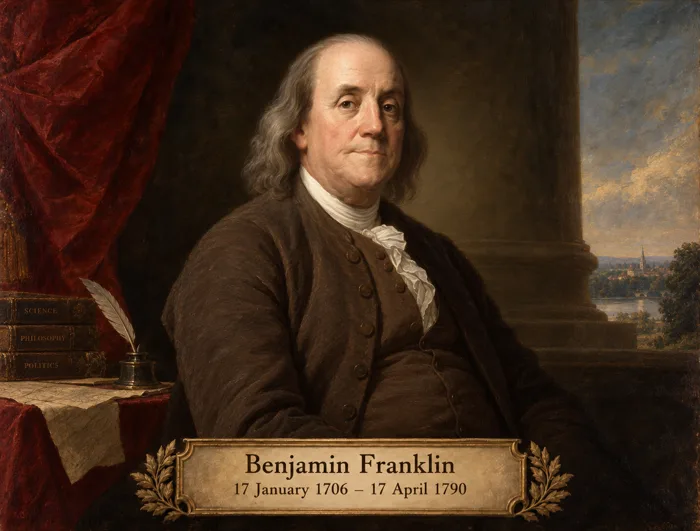
Another of America’s Founding Fathers, Benjamin Franklin, was an active and enthusiastic Mason. A printer, writer, scientist, diplomat and statesman, Franklin became Grand Master of Pennsylvania and helped publish one of the earliest Masonic books printed in America.
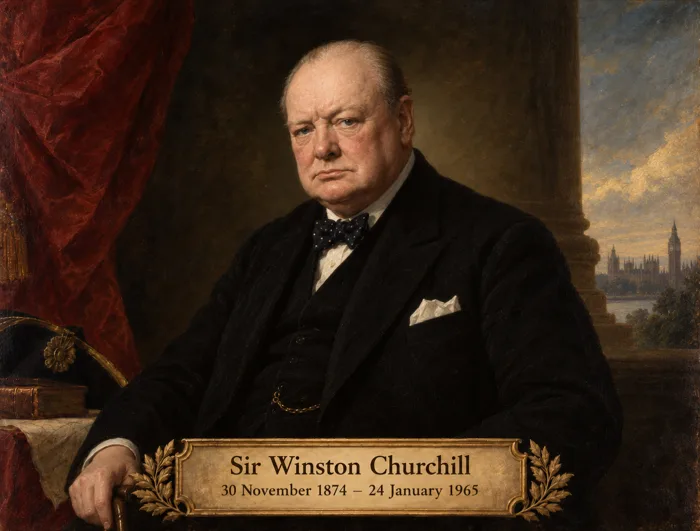
In Britain, perhaps one of the most instantly recognisable Masonic figures is Sir Winston Churchill. Long before becoming Britain’s wartime Prime Minister, Churchill was initiated into Studholme Lodge No. 1591 in London in 1901. His Masonic membership forms another chapter in the remarkable life of a soldier, writer, politician and statesman whose career spanned some of the most significant events of the twentieth century.
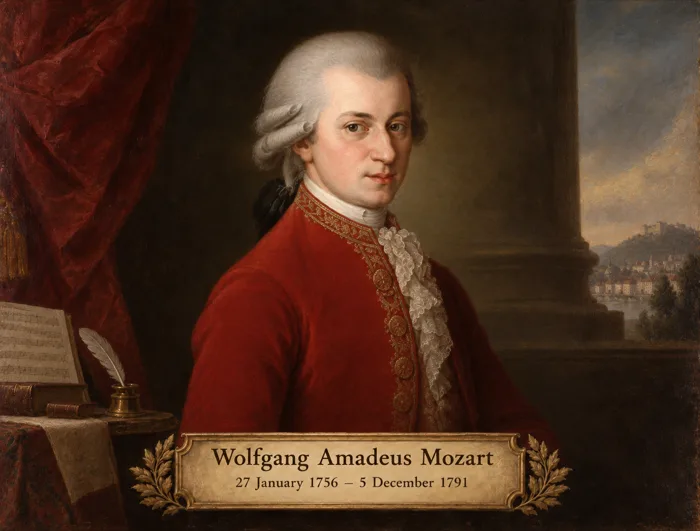
The arts have also produced many distinguished Freemasons. Wolfgang Amadeus Mozart joined Freemasonry in Vienna in 1784. Masonic ideas of enlightenment, brotherhood and the triumph of wisdom over ignorance influenced several of his compositions, most famously his opera The Magic Flute.
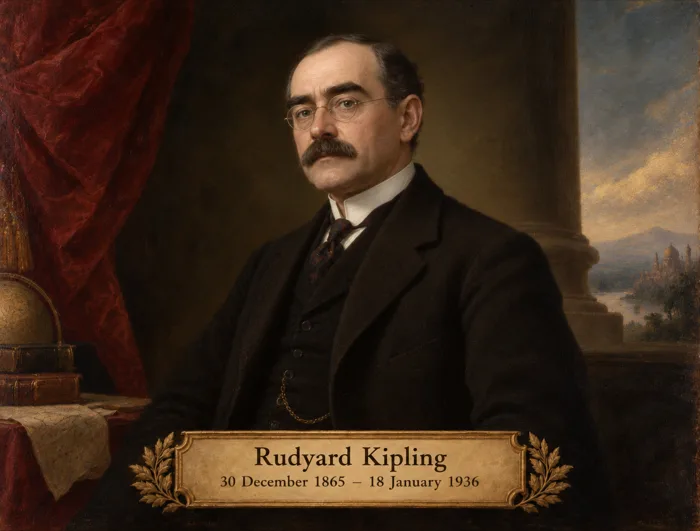
Literature, too, has strong Masonic connections. Rudyard Kipling, author of The Jungle Book and one of Britain’s best-known writers, became a Freemason while living in India. His experiences inspired several works containing Masonic themes, including his celebrated poem The Mother Lodge, which presents the lodge as a place where men of very different backgrounds could meet as equals.
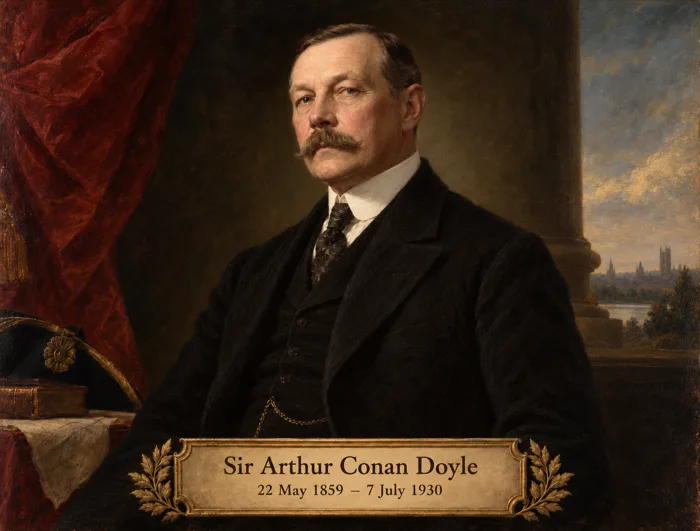
Sir Arthur Conan Doyle, creator of Sherlock Holmes, was another prominent literary Freemason. He was initiated into Phoenix Lodge No. 257 in Portsmouth in 1887 and maintained an association with the Craft during various periods of his life.
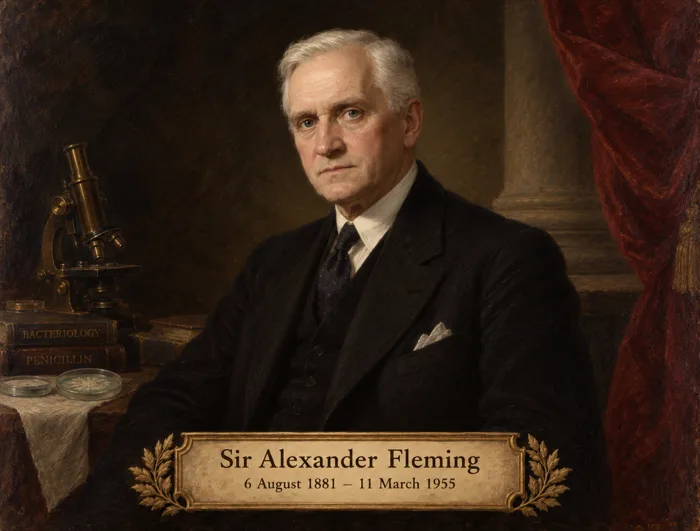
The scientific world is represented by men such as Sir Alexander Fleming, whose discovery of penicillin transformed modern medicine and saved countless lives. Fleming was an active Freemason and held senior Masonic office.
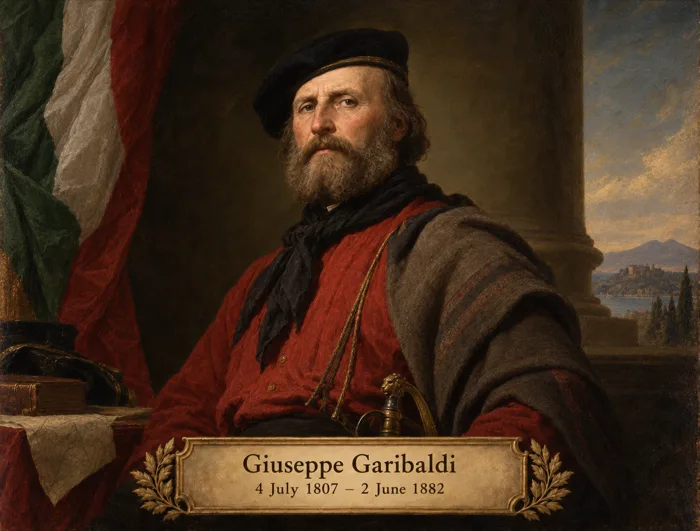
Beyond Britain and America, the Italian soldier and patriot Giuseppe Garibaldi, one of the leading figures in the unification of Italy, became an important figure within continental Freemasonry.
These famous names are fascinating, but Freemasonry has never been defined solely by celebrated members. Its real history has been written equally by millions of ordinary men: craftsmen, teachers, doctors, servicemen, businessmen and public servants who entered their lodges not in pursuit of fame, but friendship, knowledge and the opportunity to become better men.
That perhaps is the most enduring link between the famous Freemasons of history and the Brother sitting beside us in Lodge today: whatever their station outside the Lodge, within it they meet on the level.